Add Your Heading Text Here
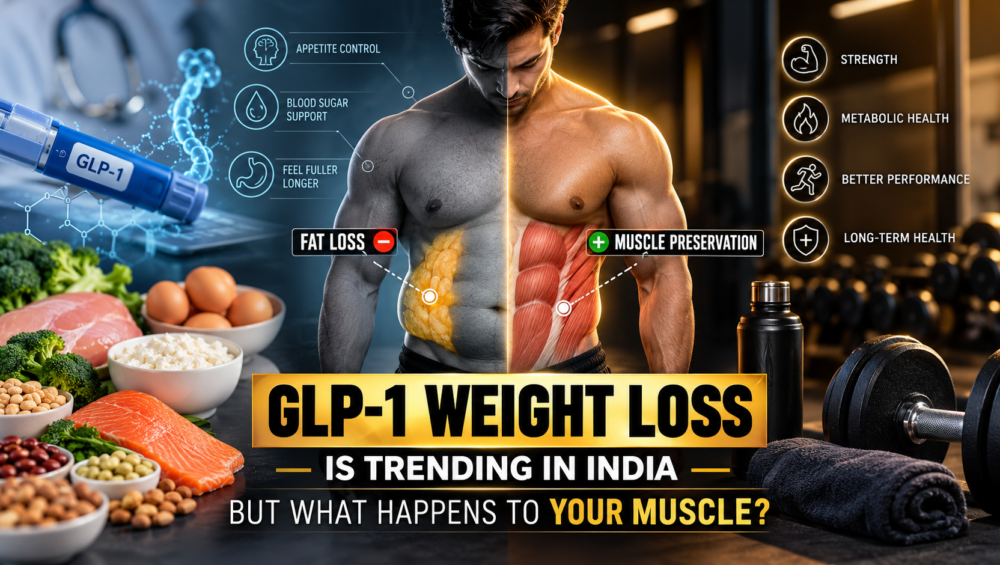
GLP-1 Weight Loss Is Trending in India — But What Happens to Your Muscle?
Weight-loss medications such as GLP-1-based therapies are becoming an increasingly discussed part of modern weight management.
But there is an important question that often gets overlooked:
When you lose weight, how much of that weight is actually fat — and how much could be muscle?
For sustainable weight management, the goal should not simply be to make the number on the weighing scale smaller. Preserving lean muscle, maintaining adequate nutrition and building sustainable habits are equally important.
What Are GLP-1 Weight-Loss Medications?
GLP-1-based medicines work through hormonal pathways involved in appetite regulation, blood glucose control and food intake.
They may help people feel fuller and reduce appetite, which can contribute to reduced calorie intake and weight loss.
However, reduced food intake also means that nutritional quality becomes increasingly important.
Recent expert recommendations for Asian Indians have highlighted the importance of adequate nutrition, protein intake and muscle preservation during GLP-based therapy.
Weight Loss Does Not Always Mean Fat Loss
Your body weight is made up of several components, including:
Body fat
Muscle tissue
Water
Glycogen
Bone and other lean tissues
Food and digestive contents
Therefore, losing weight rapidly does not automatically mean that all of the weight lost is body fat.
For someone following a weight-loss plan, preserving lean muscle should remain an important goal.
Why Does Muscle Matter?
Muscle is important for:
Physical strength and daily movement
Maintaining functional capacity
Supporting metabolic health
Exercise performance
Long-term body composition
This is why a successful weight-management strategy should focus on improving body composition, not simply reducing body weight.
Protein Becomes Especially Important
When calorie intake decreases, getting enough protein can help support muscle protein synthesis and lean-mass preservation.
Current expert recommendations vary depending on age, activity level, health status and individual circumstances. During weight loss, some research and expert guidance support higher protein intake than the basic minimum requirement.
Good food sources include:
Eggs
Chicken
Fish
Milk and curd
Paneer
Soy and other legumes
Dal and beans
Whey or other protein supplements when appropriate
The important point is not simply to consume more protein.
It is to make sure your overall diet provides enough high-quality protein for your individual needs.
Resistance Training Is Not Optional for Muscle Preservation
One of the most overlooked parts of weight loss is resistance training.
If your body is in a calorie deficit and receives little stimulus to maintain muscle, lean tissue can become harder to preserve.
Resistance training can include:
Weight training
Bodyweight exercises
Resistance bands
Squats
Push-ups
Rows
Lunges
Progressive strength exercises
You don’t necessarily need a complicated gym program.
The goal is to consistently give your muscles a reason to stay strong while you work toward reducing body fat.
What About Vitamins and Supplements?
When food intake decreases, getting adequate nutrients becomes more important.
However, supplements should not automatically be added simply because someone is losing weight.
The right approach is to first evaluate:
Overall diet quality
Protein intake
Fibre intake
Hydration
Micronutrient intake
Physical activity
Sleep and recovery
Depending on an individual’s diet and nutritional requirements, a qualified healthcare professional may recommend specific nutritional support.
A supplement should fill a nutritional need or complement a structured routine — not replace food.
GLP-1 Medication Does Not Replace Healthy Habits
This is perhaps the most important takeaway.
Weight-management medication, when prescribed and monitored appropriately, is a medical intervention. It does not remove the importance of:
Balanced Nutrition + Protein + Resistance Training + Physical Activity + Sleep + Consistency
In fact, maintaining these fundamentals becomes particularly important when appetite and food intake are reduced.
Recent Indian discussions around GLP-1 therapy are also highlighting the potential importance of protein-rich and nutrient-dense foods as this category grows.
What Should You Focus On During Weight Loss?
Instead of focusing only on the weighing scale, track multiple indicators.
1. Body Weight
Track your weight consistently under similar conditions.
2. Waist Measurement
Changes in waist circumference can provide additional information about changes in body composition.
3. Strength
If you are resistance training, monitor your performance over time.
4. Progress Photos
Photos taken under similar lighting and conditions can help identify changes that the scale may not show.
5. Energy and Recovery
Pay attention to your energy levels, exercise recovery and overall wellbeing.
A more complete picture can help you understand whether your weight-management strategy is actually working for you.
Can Supplements Support a Weight-Loss Routine?
Supplements can be part of a structured nutrition and fitness routine, but they should not be treated as a shortcut.
For example, protein supplements can be useful when someone struggles to meet their protein requirements through food alone.
Other supplements may have specific purposes depending on their ingredients and the individual’s needs.
The key is to understand what an ingredient does, how much you are taking and why it fits your routine.
At Nutrition Edge, our approach is based on purposeful formulations designed to complement—not replace—a healthy lifestyle.
The Bottom Line
Weight loss is not just about losing kilograms.
The quality of the weight you lose matters.
Whether someone is using a medically supervised weight-loss treatment or following a conventional diet and exercise program, protecting muscle while reducing excess body fat should be an important part of the conversation.
Focus on the fundamentals:
Eat enough quality protein
Prioritize nutrient-dense foods
Include resistance training
Stay physically active
Get adequate sleep
Stay hydrated
Track more than just your body weight
Use supplements only when they have a clear purpose
Sustainable weight management is not about finding the fastest way to lose weight.
It is about building a strategy that supports your health, strength and body composition over the long term.
Important Note
Nutrition Edge supplements are intended to complement a healthy lifestyle and are not intended to diagnose, treat, cure, or prevent any disease. Individual results may vary. GLP-1 medications are prescription medicines and should only be used under appropriate medical supervision. Consult a qualified healthcare professional before starting, stopping or changing any medication or supplement, especially if you are pregnant, nursing, have an existing medical condition, or are taking medication.
